





Managing MS Fatigue Through Physical Therapy and Cardiopulmonary Training
MS fatigue can make ordinary activities feel like hard work. A short walk, a trip to the grocery store, or several hours on your feet may leave you needing much more recovery time than you used to need. For some people, the problem is not simply feeling tired. Their...

Improving Your Walking With MS: How Physical Therapy Can Help
When walking starts to feel slower, less steady, or more tiring, it can change how you move through your entire day. Improving walking with MS often begins with figuring out what is behind that change, whether it is weakness, balance problems, fatigue, spasticity, or...

MS and Falls: Understanding Fall Risks and How Physical Therapy Can Help
MS and falls can affect walking, balance, and independence. MS and Falls: Why Fall Risk Increases A fall does not always happen because someone has poor balance. With MS, a person may trip because the foot does not clear the ground, lose stability when turning, or...

Why Does Multiple Sclerosis Occur More in Women?
Multiple sclerosis (MS) affects women far more often than men, leaving many patients wondering, why does multiple sclerosis occur more in women? While researchers have not found one single cause, they know that a combination of immune system differences, hormones,...

Relapsing Remitting Multiple Sclerosis: Symptoms & Treatment
Relapsing remitting multiple sclerosis (RRMS) is the most common type of multiple sclerosis, accounting for approximately 85% of initial MS diagnoses. It is characterized by periods of new or worsening neurological symptoms, known as relapses, followed by periods of...

PPMS Multiple Sclerosis: Symptoms, Treatment, and Support
For many people, Primary Progressive Multiple Sclerosis does not begin with a dramatic event. There is no sudden relapse that sends them to the hospital. Instead, the signs often appear gradually. A person may start avoiding longer walks because one leg feels heavier...

MS Progression After Age 50: What Changes and How to Stay Ahead
Multiple sclerosis changes over time, and for many individuals, MS progression after age 50 brings a new phase of the disease. Symptoms may shift, recovery may slow, and maintaining independence can feel more challenging. However, progression does not mean losing...
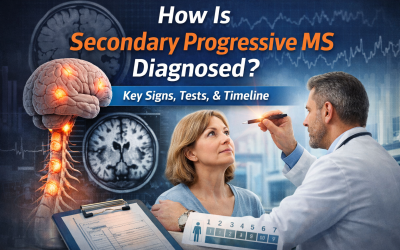
How Is Secondary Progressive MS Diagnosed? Key Signs, Tests, and Timeline
Secondary Progressive Multiple Sclerosis (SPMS) is diagnosed by identifying a gradual and sustained worsening of neurological function in someone who previously had Relapsing-Remitting MS (RRMS). This progression typically occurs over 6 to 12 months or longer,...

Is ALS the Same as MS? Understanding the Key Differences
When someone is diagnosed with a neurological condition, one of the most common questions is: Is ALS the same as MS? The short answer is no. While both conditions affect the nervous system and can cause muscle weakness, Amyotrophic Lateral Sclerosis and Multiple...

Secondary Progressive Multiple Sclerosis (SPMS): Symptoms, Progression, and Specialized Care in Massachusetts
Secondary Progressive Multiple Sclerosis, commonly called SPMS, is a stage of multiple sclerosis that develops in many people who were first diagnosed with relapsing-remitting MS. In SPMS, the disease course changes from clearly defined relapses to a more gradual and...