



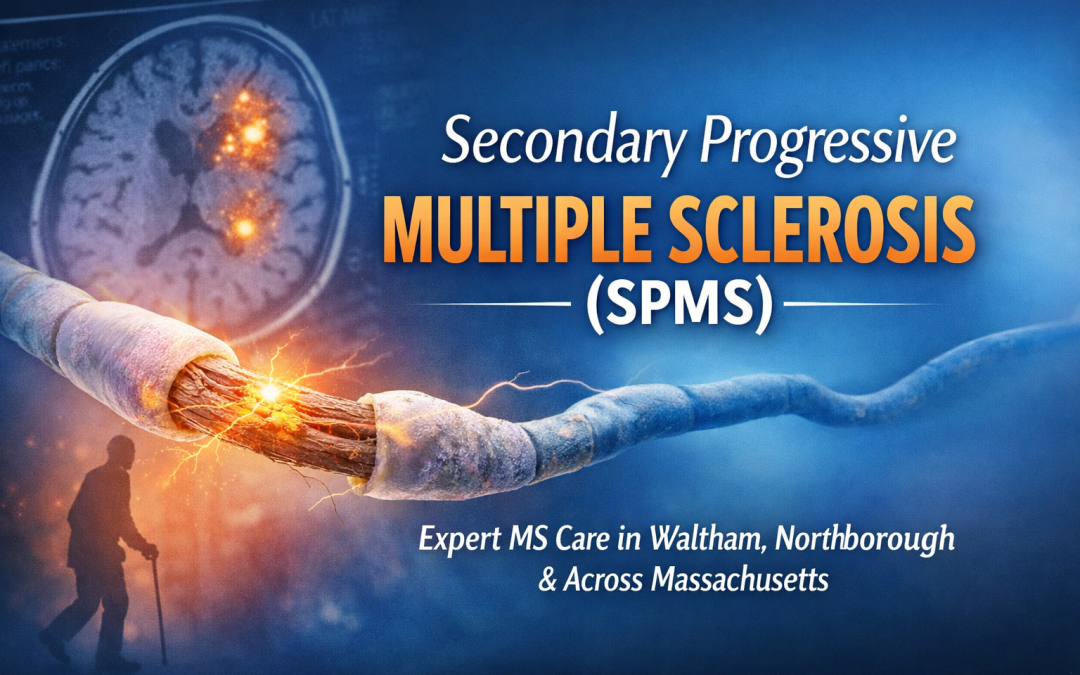
Secondary Progressive Multiple Sclerosis, commonly called SPMS, is a stage of multiple sclerosis that develops in many people who were first diagnosed with relapsing-remitting MS. In SPMS, the disease course changes from clearly defined relapses to a more gradual and continuous progression of symptoms and disability. Understanding this transition and knowing where to receive specialized care can make a meaningful difference in long-term function and quality of life.
At 810 MS Specialty Center, we work exclusively with people already diagnosed with multiple sclerosis, including those living with secondary progressive MS. Our care is focused, evidence-based, and designed to support function at every stage of the disease.
What Is Secondary Progressive Multiple Sclerosis?
Secondary progressive multiple sclerosis is a form of MS that follows an initial relapsing-remitting course. During relapsing-remitting MS, people experience flare-ups of symptoms followed by periods of partial or complete recovery. Over time, many individuals notice that recovery becomes less complete and symptoms begin to worsen more steadily. This marks the transition to SPMS.
In SPMS, disability progression may occur with or without relapses. The underlying disease process shifts toward ongoing nerve damage and neurodegeneration rather than primarily inflammation.
How SPMS Develops Over Time
Most people with SPMS were previously diagnosed with relapsing-remitting MS. The transition does not happen overnight and is often recognized only after careful review of symptoms and functional changes over several years.
Common signs that MS may be entering a secondary progressive phase include increasing difficulty with walking, worsening balance, more persistent fatigue, and reduced recovery after relapses. Because these changes are gradual, regular monitoring by an MS-focused care team is essential.
Active vs Non-Active Secondary Progressive MS
SPMS is often described using two important descriptors.
Active SPMS means there is still evidence of inflammatory activity, such as relapses or new lesions seen on MRI scans.
Non-active SPMS refers to a steady progression of symptoms without relapses or new MRI activity. Even in non-active SPMS, symptoms can continue to worsen due to ongoing nerve damage.
Understanding whether SPMS is active or non-active helps guide treatment decisions and rehabilitation planning.
Common Symptoms of Secondary Progressive MS
Symptoms of SPMS vary from person to person and may progress at different rates. Many people experience a combination of physical, cognitive, and functional changes that become more persistent over time.
Mobility challenges are common and may include leg weakness, spasticity, balance problems, and a higher risk of falls. Fatigue often becomes more pronounced and less responsive to rest. Sensory changes such as numbness or tingling may worsen or spread. Bladder and bowel dysfunction can interfere with daily routines. Cognitive changes, including slowed processing or memory difficulties, may also develop or progress.
These symptoms can significantly affect independence, which is why ongoing therapy and specialized support play a critical role in SPMS care.
How Secondary Progressive MS Is Diagnosed
There is no single test that confirms secondary progressive multiple sclerosis. Diagnosis is based on a detailed review of symptom history, neurological examinations, and imaging over time.
Neurologists look for evidence of gradual worsening of function independent of relapses. MRI scans are used to assess disease activity and structural changes in the brain and spinal cord. Because SPMS is identified retrospectively, clear documentation and consistent follow-up are essential.
Treatment and Management of SPMS
While there is currently no cure for secondary progressive MS, treatment focuses on slowing progression when possible and managing symptoms to preserve quality of life.
Disease-modifying therapies may be used in people with active SPMS to reduce inflammatory activity. Medication decisions are individualized and based on disease activity, overall health, and prior treatment response.
Equally important is comprehensive symptom management. This may include medications for spasticity, pain, bladder dysfunction, or fatigue, along with targeted rehabilitation therapies.
The Role of Rehabilitation in Secondary Progressive MS
Rehabilitation is a cornerstone of care for people living with SPMS. As symptoms progress, therapy becomes essential for maintaining function, safety, and independence.
Physical therapy focuses on strength, balance, gait, and fall prevention. Occupational therapy helps individuals adapt to daily activities, conserve energy, and maintain independence at home and work. Cognitive and speech therapy address changes in thinking, communication, and swallowing that may occur with disease progression.
At 810 MS Specialty Center, rehabilitation is designed specifically for people with multiple sclerosis and evolves as needs change over time. You can learn more about our MS-focused therapy services by exploring the resources available on our website.
Living With Secondary Progressive MS
Living with SPMS often requires adjustments, both physically and emotionally. Planning for changes in mobility, pacing activities, and learning new strategies to manage fatigue can help individuals remain active and engaged.
Education, consistent therapy, and a trusted care team are key. People with SPMS benefit most from providers who understand the unique progression of MS and can offer long-term, coordinated support rather than episodic care.
Why 810 MS Specialty Center
810 MS Specialty Center is dedicated exclusively to the care of people diagnosed with multiple sclerosis. We do not treat general neurological conditions. Our focus allows us to deliver care that is deeply informed by the complexities of MS, including secondary progressive disease.
We serve individuals across Massachusetts, including Waltham, Northborough, and surrounding communities. Our team provides MS-specific physical therapy, occupational therapy, and comprehensive rehabilitation designed to support people as MS evolves.
By working with patients over the long term, we help address not only current symptoms but also future functional goals. Our approach emphasizes continuity of care, personalized treatment plans, and practical strategies that support daily life with SPMS.
Frequently Asked Questions About Secondary Progressive MS
What is the main difference between SPMS and relapsing-remitting MS?
Relapsing-remitting MS is marked by relapses followed by recovery, while SPMS involves a gradual worsening of symptoms and disability over time, with or without relapses.
Does everyone with relapsing-remitting MS develop SPMS?
Not everyone, but many people with relapsing-remitting MS eventually transition to secondary progressive MS over the course of the disease.
Can SPMS progress without relapses?
Yes. In non-active SPMS, symptoms may worsen steadily even without relapses or new MRI activity.
Are there treatments that slow SPMS progression?
Some disease-modifying therapies are approved for active SPMS and may help slow progression. Treatment plans are individualized based on disease activity and overall health.
How does physical therapy help with secondary progressive MS?
Physical therapy helps maintain strength, improve balance, reduce fall risk, and support mobility as symptoms progress.
Is fatigue worse in secondary progressive MS?
Fatigue is common in all forms of MS and often becomes more persistent in SPMS, requiring targeted management strategies.
Can cognitive changes occur in SPMS?
Yes. Changes in memory, attention, and processing speed can occur and may benefit from cognitive therapy and structured support.
When should someone with MS seek specialized SPMS care?
Anyone experiencing gradual worsening of function, reduced recovery from relapses, or increasing daily limitations should consider specialized MS care.
Does 810 MS Specialty Center treat newly diagnosed patients?
810 MS Specialty Center treats individuals who already have a confirmed diagnosis of multiple sclerosis and are seeking specialized, ongoing care.
Where does 810 MS Specialty Center provide services?
We provide MS-focused care to individuals in Waltham, Northborough, and surrounding areas throughout Massachusetts.
Take the Next Step Toward Relief in Massachusetts
If muscle spasms are limiting your comfort, sleep, or mobility, you don’t have to manage them alone. With specialized MS care now available in Massachusetts, support is closer than ever.
📞 Contact 810 MS Specialty Center today to schedule an evaluation and learn how personalized therapy can help you move with greater ease and confidence.